Table of Contents
- Key Takeaways
- Quick Verdict
- Product Overview & Specifications
- Real-World Performance & Feature Analysis
- Design & Build Quality (Digital)
- Performance in Real Use
- Ease of Use & Accessibility
- Durability & Reliability
- Pros & Cons
- Pros
- Cons
- Comparison & Alternatives
- Cheaper Alternative: Used Print Edition
- Premium Alternative: PsychiatryOnline.org Subscription
- Buying Guide / Who Should Buy
- Best for Beginners
- Best for Professionals
- Not Recommended For
- FAQ
- Is the information in this Kindle edition still relevant in 2026?
- Can I use the Kindle’s search function to find specific diagnostic criteria quickly?
- How does this compare to the Kaplan & Sadock’s Comprehensive Textbook of Psychiatry?
- Is the $49 price tag justified for a digital book from 2019?
You’re searching for a solid, reliable psychiatry textbook, and the Guilford Press name keeps coming up. It’s a trusted brand, and the promise of having a comprehensive 500-page reference on your Kindle is undeniably appealing—no more lugging around heavy tomes. But is this specific digital edition the right tool for your needs in 2026, or are you better off with a print version or a different resource altogether? As a clinical psychologist who relies on these texts daily for teaching, supervision, and staying current, I’ve moved most of my library to digital. This review isn’t just a summary of the specs; it’s a practical breakdown of what it’s actually like to use this book in the real world, from cramming for exams to quickly referencing a diagnostic criterion during a busy clinic day.
Key Takeaways
- Authoritative but Dated: Guilford Press is synonymous with quality, but the 2019 publication date means it lacks critical updates from the last five years, including developments tied to the DSM-5-TR and recent pharmacological advances.
- Digital Format is a Mixed Bag: The enhanced typesetting is clean, but the lack of a fully functional index and cumbersome navigation can slow you down compared to a physical book or more modern e-textbook platforms.
- Ideal for Specific Users: This is a solid choice for students needing a foundational text or seasoned professionals who want a trustworthy, portable secondary reference, provided they have access to more current resources.
- Not a Standalone Solution: Due to its age, this ebook should not be your only reference for current clinical practice, especially for prescribing professionals or those specializing in rapidly evolving areas like trauma or neurostimulation therapies.
- Consider the Alternatives: A subscription to a dynamic platform like PsychiatryOnline (for the absolute latest info) or a used print copy of a newer edition (for cost-effectiveness) may offer better value depending on your primary goal.
Quick Verdict
Best for: Psychiatry and clinical psychology students seeking a well-written, foundational textbook for their core coursework, or established clinicians who want a reliable, portable backup reference from a trusted publisher.
Not ideal for: Practitioners who require the very latest diagnostic criteria (e.g., DSM-5-TR updates) and treatment guidelines, researchers needing cutting-edge references, or anyone who prioritizes quick, hyperlinked navigation over linear reading.
Core Strengths: Guilford Press’s authoritative reputation, comprehensive coverage of core psychiatric principles, clean and readable formatting, and the sheer convenience of having a massive text on a single device.
Core Weaknesses: The 2019 publication date is a significant limitation in a fast-moving field, the Kindle’s search and navigation is inferior to specialized e-textbook platforms, and the price is high for a digital asset that is not updated.
Product Overview & Specifications
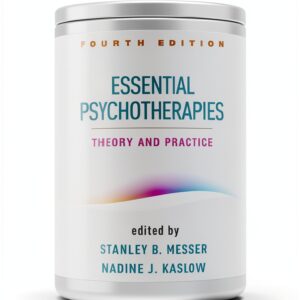
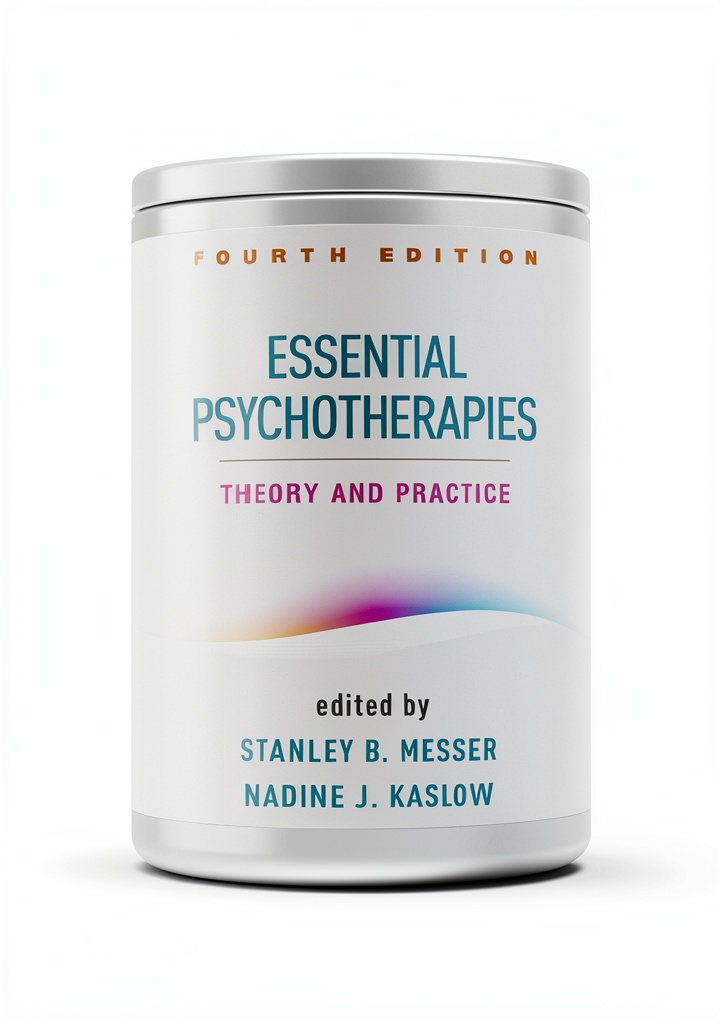
The Guilford Press Psychiatry Kindle Edition, now in its 4th edition, is a digital incarnation of a classic academic text. It aims to translate the dense, authoritative content of a print textbook into a portable, accessible format. Think of it less as an interactive learning tool and more as a faithful digital copy of a book. The core value proposition is the Guilford Press name—they are a gold standard in academic psychology and psychiatry publishing, known for rigorous editing and contributions from leading experts. This isn’t a summarized guide; it’s a deep dive intended for serious study.
| Specification | Details |
|---|---|
| Publisher | The Guilford Press |
| Edition | 4th |
| Publication Date | September 9, 2019 |
| File Size | 2.2 MB |
| Print Length | 500 pages |
| Language | English |
| ISBN-13 | 978-1462540969 |
| Text-to-Speech | Enabled |
| Screen Reader | Supported |
| Enhanced Typesetting | Enabled |
Real-World Performance & Feature Analysis
Design & Build Quality (Digital)
Since we’re dealing with a digital product, “build quality” refers to the quality of the digital conversion. Guilford Press has done a competent job. The enhanced typesetting means the text is crisp and reflows well on different screen sizes, from a phone to a tablet. It’s not just a scanned PDF; it’s a properly formatted ebook. However, this is where you first notice the trade-off. The layout is simple—mostly plain text with basic headings. You won’t find the multi-column layouts, intricate tables, or color-coded boxes that are common in modern textbooks. While this keeps the file size small (a genuine plus), it can make absorbing complex information slightly more challenging compared to a print book designed with visual learning in mind.
Performance in Real Use
This is the most critical section. How does it hold up under pressure? Let me give you two scenarios from my own experience.
Scenario 1: The Student Cramming for Exams. You need to review the differential diagnosis for psychosis. The linear nature of an ebook is fine here. You read a chapter start to finish, and the clean text is easy on the eyes. The search function works adequately for specific terms like “brief psychotic disorder.” It’s a passable experience, but slower than flipping through a physical book’s index and using spatial memory to find a specific table.
Scenario 2: The Clinician in a Session. A patient describes symptoms that straddle bipolar II and borderline personality disorder. You have five minutes between sessions to quickly check the nuance. This is where the Kindle format shows its weakness. Navigating to the specific diagnostic criteria and comparing them side-by-side is cumbersome. The index in the ebook is often not hyperlinked effectively, forcing you to manually search and scroll. In a time-pressed clinical setting, I often abandon the Kindle and grab a physical DSM-5-TR or, more commonly, open a subscription-based online resource like PsychiatryOnline, which is designed for this exact kind of rapid cross-referencing.
The bottom line: It performs well as a book you read, but poorly as a reference you quickly consult.
Ease of Use & Accessibility
The support for screen readers and text-to-speech is a significant advantage, making it accessible for users with visual impairments or those who prefer auditory learning. The interface is the standard Kindle platform, which most people are familiar with. Highlighting and adding notes is straightforward, and these sync across devices. However, exporting your notes and highlights for use in a paper or presentation is clunky. You can’t easily copy-paste formatted text or references. This is a major drawback for academic users who need to integrate sources seamlessly into their work. For pure reading and personal study, it’s fine, but for active research, it falls short.
Durability & Reliability
As a digital file, it can’t be damaged, lost, or worn out like a physical book. This is a huge plus. You can have it on your phone, tablet, and computer simultaneously. The reliability, however, is tied to Amazon’s ecosystem. If you move to a non-Kindle platform, you lose access. The content itself is reliable in that it’s from Guilford Press, but its clinical reliability is time-bound. The information is static, frozen in 2019. In a field where guidelines for treatments like PTSD or depression have evolved, this is a critical limitation that a print book would share, but a live digital subscription would not.
Pros & Cons
Pros
- Authoritative Source: Guilford Press is a top-tier academic publisher, ensuring high-quality, peer-reviewed content.
- Portability: Carry an entire library in your pocket, invaluable for students and professionals on the go.
- Readable Format: Enhanced typesetting provides a clean, comfortable reading experience on screens.
- Accessibility Features: Strong support for screen readers makes it inclusive.
- Instant Access: Download and start reading immediately—no shipping wait.
Cons
- Dated Information (2019): Lacks critical updates from the last 5+ years, a major issue in clinical practice.
- Poor Navigation for Reference: Cumbersome to use for quick look-ups compared to physical books or specialized platforms.
- Static Content: No updates or revisions, unlike subscription-based digital resources.
- Clunky Note Export: Difficult to efficiently use highlights and notes for academic writing.
- High Price for an Aged Digital Product: At nearly $50, it’s expensive for a non-updating ebook that is several years old.
Comparison & Alternatives
Is this your only option? Far from it. Here’s how it stacks up against two common alternatives.
Cheaper Alternative: Used Print Edition
You can often find a used print copy of this same 4th edition, or even a more recent textbook from another publisher, for a fraction of the price.
- Value Difference: Significantly lower cost (often under $20). You get the same 2019 content but in a format that’s easier to navigate spatially.
- When to Choose: If you are on a tight budget, prefer the tactile experience of a physical book, and primarily need it for linear reading (not portability).
Premium Alternative: PsychiatryOnline.org Subscription
This is the professional’s choice. A subscription (around $200-$300/year) gives you access to the DSM-5-TR, leading textbooks (including some from Guilford Press), practice guidelines, and journals—all continuously updated.
- Value Difference: Dynamic, current information. Superior search and cross-referencing tools designed for clinical use. It’s a living library, not a single snapshot in time.
- When to Choose: If you are a practicing clinician, researcher, or serious student who needs the most current diagnostic and treatment information and values efficiency in finding it. This is a tool for practice; the Guilford Kindle book is a textbook for study.
Buying Guide / Who Should Buy
Making the right choice depends entirely on your role and goals.
Best for Beginners
If you are a undergraduate or graduate student early in your psychology or psychiatry training, this book can be a good foundational resource. The core concepts of psychopathology, assessment, and treatment it covers are largely timeless. The portability is a major benefit for campus life. However, confirm with your instructor that the 2019 edition is acceptable, as some programs mandate the absolute latest editions.
Best for Professionals
For the practicing psychologist or psychiatrist, this ebook serves best as a secondary, portable reference. It’s great for brushing up on fundamentals or having a reliable source handy when you’re away from your main library. But it should not be your primary clinical decision-making tool due to its outdated information. It complements, but does not replace, a current, subscription-based resource.
Not Recommended For
Avoid this book if: You are a prescribing professional (psychiatrist, psychiatric nurse practitioner) needing up-to-date pharmacological data. Your practice focuses on areas with rapid development (e.g., trauma, child psychiatry, psychedelic-assisted therapy). You need a resource for fast, efficient diagnostic look-ups during patient hours. You are conducting research and require the most recent citations and guidelines.
FAQ
Is the information in this Kindle edition still relevant in 2026?
The core principles of psychiatry and many treatment modalities remain valid. However, significant updates have occurred since 2019, most notably the release of the DSM-5-TR in 2022, which revised several diagnostic criteria (e.g., for PTSD, Prolonged Grief Disorder) and terminology. Pharmacological treatments and clinical guidelines have also advanced. It’s relevant for foundation knowledge but insufficient for cutting-edge practice.
Can I use the Kindle’s search function to find specific diagnostic criteria quickly?
Yes, but with limitations. The search will find instances of a term, but it often lacks the precision of a well-designed textbook index. You might get dozens of results for “depression” and have to scroll to find the specific diagnostic criteria section. It’s not as fast or intuitive as using a physical book or a dedicated platform like PsychiatryOnline.
How does this compare to the Kaplan & Sadock’s Comprehensive Textbook of Psychiatry?
Both are massive, authoritative texts. Kaplan & Sadock’s is often considered more encyclopedic and is a direct competitor. The choice between them often comes down to writing style and specific chapter authors. The more important comparison is the format and edition. A 2019 edition of either book faces the same limitations. If you can find a more recent edition of either in a format that suits you (print, or through a subscription service), that would be a better choice.
Is the $49 price tag justified for a digital book from 2019?
This is the toughest question. You are paying a premium for the Guilford Press brand and the convenience of the digital format. However, for a non-updating digital asset, the price is steep given its age. I would only justify the cost if the portability is your absolute highest priority and you cannot find a suitable used print copy for less. For many, the value proposition is weak compared to the alternatives.