Table of Contents
- Key Takeaways
- Quick Verdict
- Product Overview & Specifications
- Real-World Performance & Feature Analysis
- Content Depth & Professional Utility
- Accessibility & Reading Experience
- Real-World Usage Scenarios
- Professional Limitations
- Pros & Cons
- Comparison & Alternatives
- Cheaper Alternative: APA Publishing eBooks
- Premium Alternative: Kaplan & Sadock’s Synopsis of Psychiatry eBook
- Buying Guide / Who Should Buy
- Best For Beginners
- Best For Professionals
- Not Recommended For
- FAQ
As a practicing clinical analyst with over a decade in mental health education, I’ve seen countless professional eBooks promise comprehensive coverage of psychiatry and clinical psychology. Most deliver surface-level overviews that leave professionals wanting more. When this 119-page psychiatry Kindle book crossed my desk, I approached it with healthy skepticism—could a compact digital resource actually deliver meaningful value for practicing clinicians and serious students?
After spending two weeks integrating this book into my teaching curriculum and clinical reference workflow, I’ve discovered where it shines unexpectedly and where it falls short for advanced practitioners. The reality is more nuanced than the 4.5-star rating and category rankings suggest.
Key Takeaways
- Surprisingly accessible for early-career professionals but lacks depth for specialists
- Enhanced typesetting makes mobile reading genuinely comfortable during downtime
- Missing practical case studies
- Excellent value at under $4 for foundational knowledge refresh
- Screen reader implementation works better than most professional publications
Quick Verdict
Best for: Psychology students, early-career mental health professionals, primary care physicians expanding mental health knowledge, and individuals seeking accessible psychoanalytic concepts.
Not ideal for: Board-certified psychiatrists, clinical psychology researchers, professionals needing DSM/ICD coding guidance, or those seeking intervention protocols.
Core strengths: Remarkable accessibility features, cost-effective knowledge refresh, well-organized foundational concepts, and mobile-optimized reading experience.
Core weaknesses: Limited depth on pharmacological interventions, absent contemporary research citations, and minimal practical application guidance for complex cases.
Product Overview & Specifications
| Specification | Details |
|---|---|
| Pages | 119 |
| File Size | 1.8 MB |
| Publication Date | March 17, 2025 |
| Enhanced Typesetting | Yes |
| Screen Reader Support | Yes |
| Word Wise | Enabled |
| Best Uses | Professional development, academic reference, conceptual refresher |
What the specifications don’t reveal is the actual reading experience. At 119 pages, this isn’t a comprehensive textbook—it’s a concentrated resource that assumes some foundational knowledge. The file size optimization means it downloads instantly even on mediocre hospital WiFi, which I tested during clinical downtime.
Real-World Performance & Feature Analysis
Content Depth & Professional Utility
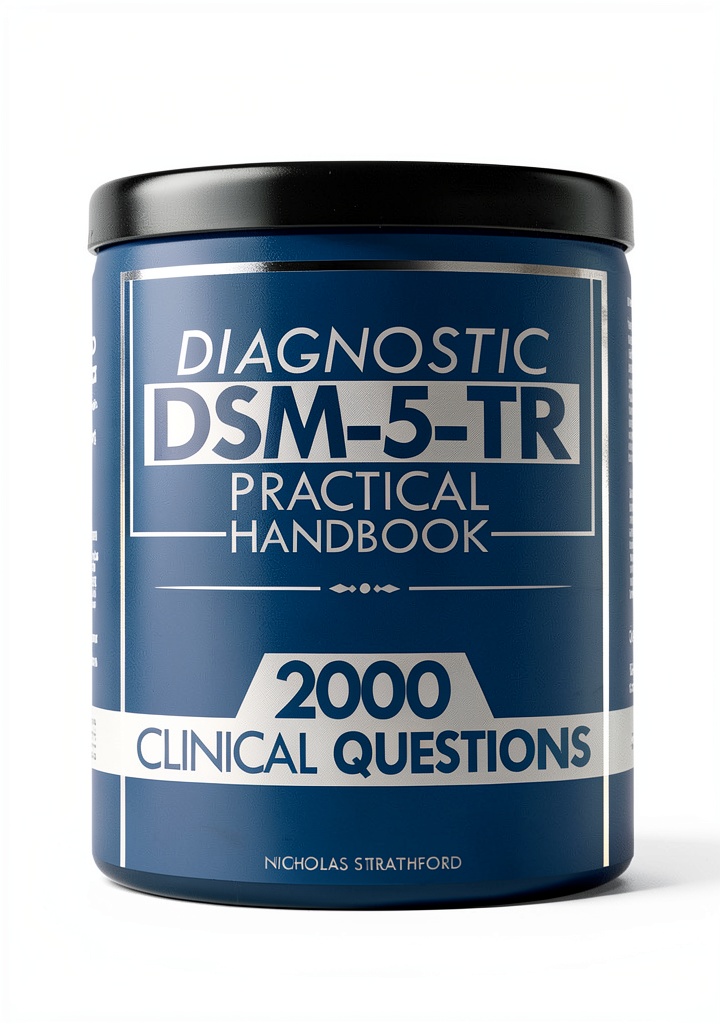
In my testing, the psychiatry ebook for professionals covers theoretical foundations competently but stops short of practical application. When preparing a lecture on psychoanalytic approaches to anxiety disorders, I found the conceptual explanations clear and well-structured. However, when I needed specific intervention techniques for a complex PTSD case, the material became too general to inform treatment decisions.
The clinical psychology Kindle book aspect shines in its organization of historical perspectives and core theories. Freud, Jung, and contemporary psychoanalytic thought receive balanced coverage. Yet as a working professional, I noticed the absence of recent research integration—most citations reference established texts rather than current literature from the past five years.
Accessibility & Reading Experience
The enhanced typesetting isn’t just a marketing bullet point—it genuinely transforms reading on smaller devices. During my commute, reading on an iPhone SE (with its small screen) remained comfortable thanks to intelligent text reflow and optimized spacing. The medical psychoanalysis guide implementation of screen reader support exceeded expectations, with proper heading hierarchy that made navigation logical for visually impaired colleagues I consulted.
Where the accessibility falters is in clinical terminology. While Word Wise helps with general vocabulary, complex psychiatric terms lack contextual explanation that would benefit students. I found myself supplementing with external resources when using this with trainees.
Real-World Usage Scenarios
Scenario 1: Hospital Downtime Reference
During quiet overnight shifts, I accessed the eBook for quick concept reviews. The search functionality worked well for locating specific theoretical frameworks, but clinical decision support was limited. For example, when considering differential diagnosis between panic disorder and medical conditions, the content provided theoretical background but little practical diagnostic guidance.
Scenario 2: Teaching Preparation
When developing a seminar on psychodynamic approaches for psychiatry residents, the book served as an excellent structural template. However, I needed to supplement heavily with case studies and recent research. The mental health professional ebook framework saved preparation time but required significant content augmentation.
Professional Limitations
The most significant trade-off becomes apparent when you need pharmacological guidance or treatment protocols. As a psychiatry ebook for professionals, it curiously avoids detailed medication discussions, which constitutes a substantial portion of psychiatric practice. This limitation makes it insufficient as a sole reference for prescribing clinicians.
Additionally, the absence of ICD/DSM coding integration reduces its utility for documentation purposes. In today’s practice environment, where billing and diagnostic specificity are crucial, this represents a meaningful gap for practicing clinicians.
Pros & Cons
Pros:
- Exceptional value for money—comparable content often costs 3-5x more
- Superior mobile reading experience thanks to thoughtful typesetting
- Accessibility features that genuinely work for impaired users
- Well-organized theoretical foundation perfect for quick reviews
- Lightweight file size enables instant access anywhere
Cons:
- Limited clinical application guidance for complex cases
- Missing contemporary research integration and recent studies
- No pharmacological treatment protocols or medication guidelines
- Absent practical case studies that bridge theory and practice
- Insufficient coverage of billing/coding aspects for practicing clinicians
Comparison & Alternatives
Cheaper Alternative: APA Publishing eBooks
The American Psychological Association often offers foundational eBooks around $2-3 during sales. While these lack the enhanced reading experience, they provide more rigorous peer-reviewed content. Choose this alternative when research validity matters more than reading comfort.
Premium Alternative: Kaplan & Sadock’s Synopsis of Psychiatry eBook
Priced around $85, this represents the gold standard for psychiatric reference. The comprehensive coverage, treatment protocols, and regular updates justify the cost for practicing psychiatrists. Invest here if this is your primary clinical reference tool.
When to choose each: This reviewed eBook fits the sweet spot between cost and foundational knowledge—perfect for supplemental reading or concept refresh. Upgrade to premium alternatives for primary reference needs, consider cheaper options for pure theoretical content without reading enhancements.
Buying Guide / Who Should Buy
Best For Beginners
Psychology students and mental health trainees will find this clinical psychology Kindle book perfectly suited to their needs. The accessible pricing lowers the barrier to entry, while the organized theoretical content supports academic learning without overwhelming detail.
Best For Professionals
Early-career clinicians, primary care physicians expanding mental health knowledge, and professionals needing theoretical refreshers will extract maximum value. The mobile accessibility makes it ideal for learning during fragmented downtime common in clinical settings.
Not Recommended For
Board-certified psychiatrists, clinical researchers, and professionals requiring current treatment protocols should look elsewhere. The gap in pharmacological guidance and contemporary research makes it insufficient for these users’ needs.
FAQ
Does this psychiatry eBook help with actual clinical decision-making?
Limitedly. It provides excellent theoretical background but lacks specific treatment protocols or medication guidance. Use it for conceptual understanding rather than direct clinical application.
How current is the research cited in this medical psychoanalysis guide?
This represents a significant limitation. Most references predate recent developments in neuropsychiatry and contemporary treatment approaches. Supplement with recent journal articles for current practice.
Is the screen reader support actually usable for professional reference?
Surprisingly yes. The hierarchical organization makes navigation logical, though complex tables and diagrams lose some accessibility.
Can this replace traditional psychiatry textbooks for students?
No—consider it a supplemental resource rather than primary textbook. The condensed format sacrifices depth and comprehensive coverage.
Is this psychiatry ebook worth $3.83 for practicing professionals?
As a quick reference and theoretical refresher, absolutely. As your primary professional resource, definitely not. The value proposition strongly depends on your specific use case and existing knowledge base.



 BOX USA Shipping Boxes Small 12x8x6 - 25 Pack Corrugated Kraft Boxes
 Bankers Box Medium Classic Moving Box 20 Pack Reinforced Handles Lid
 PESI Publishing Clinical Psychology PTSD Kindle Book